Most digital platforms are built with one assumption: users are always online. In reality, that assumption breaks quickly.
In many regions, internet connectivity is unstable, slow, or simply unavailable at critical moments. For platforms that rely on real-time input—such as reporting tools, civic engagement systems, or data collection apps—this becomes a fundamental problem.
If users can't submit information when it matters, the system fails.
This is exactly the challenge we solved with Adesh — أديش.
The Challenge: Real-Time Reporting in Low-Connectivity Environments
The goal was clear: build a platform that allows users to create and submit reports instantly—regardless of network conditions.
However, the constraints were significant:
- •Unreliable or non-existent internet access
- •Mobile-first usage in real-world conditions
- •Need for fast, frictionless reporting (under one minute)
- •Support for Arabic users with native RTL experience
Traditional web applications were not an option. Even many mobile apps would struggle under these conditions. A different approach was required.
Our Approach: Designing an Offline-First System
Instead of treating offline capability as an add-on, we built the entire system around an offline-first architecture. This fundamentally changed how the platform works:
- •Reports are created and stored locally on the device
- •No active internet connection is required during input
- •Data automatically syncs once connectivity is restored
- •Users never experience interruptions or data loss
From a user perspective, the experience is seamless. From a technical perspective, it requires a completely different architecture than standard web platforms.
Why We Chose a Progressive Web App
To meet the accessibility and performance requirements, we implemented Adesh as a Progressive Web App (PWA). This allowed us to:
- •Deliver a native-app-like experience directly in the browser
- •Eliminate app store dependencies
- •Ensure compatibility across all devices
- •Keep the barrier to entry as low as possible
Combined with service workers and intelligent caching, the platform remains fully functional—even under poor network conditions.
Localization Done Right: Arabic-First & RTL
One of the most critical success factors was proper localization. Instead of translating an existing interface, we designed the platform Arabic-first, including full right-to-left (RTL) support.
This ensured:
- •Natural navigation and usability
- •Higher user acceptance
- •Faster onboarding with minimal friction
Localization was not treated as a feature—but as a core part of the product experience.
Performance Under Real Conditions
In environments with limited connectivity, performance is not optional. We optimized the platform to:
- •Load in under 2 seconds
- •Enable report creation in less than a minute
- •Run smoothly on low-end mobile devices
- •Minimize data usage
The result is a system that performs reliably—not just in ideal conditions, but in real-world scenarios.
The Outcome: A Platform That Actually Gets Used
By aligning technology with real user conditions, we achieved:
- •Consistent report submission—even without internet
- •Higher engagement rates
- •Reduced drop-offs during critical interactions
- •A system that scales across regions and devices
Most importantly, the platform works when it matters.
Adesh — أديش Platform Screenshots

Start
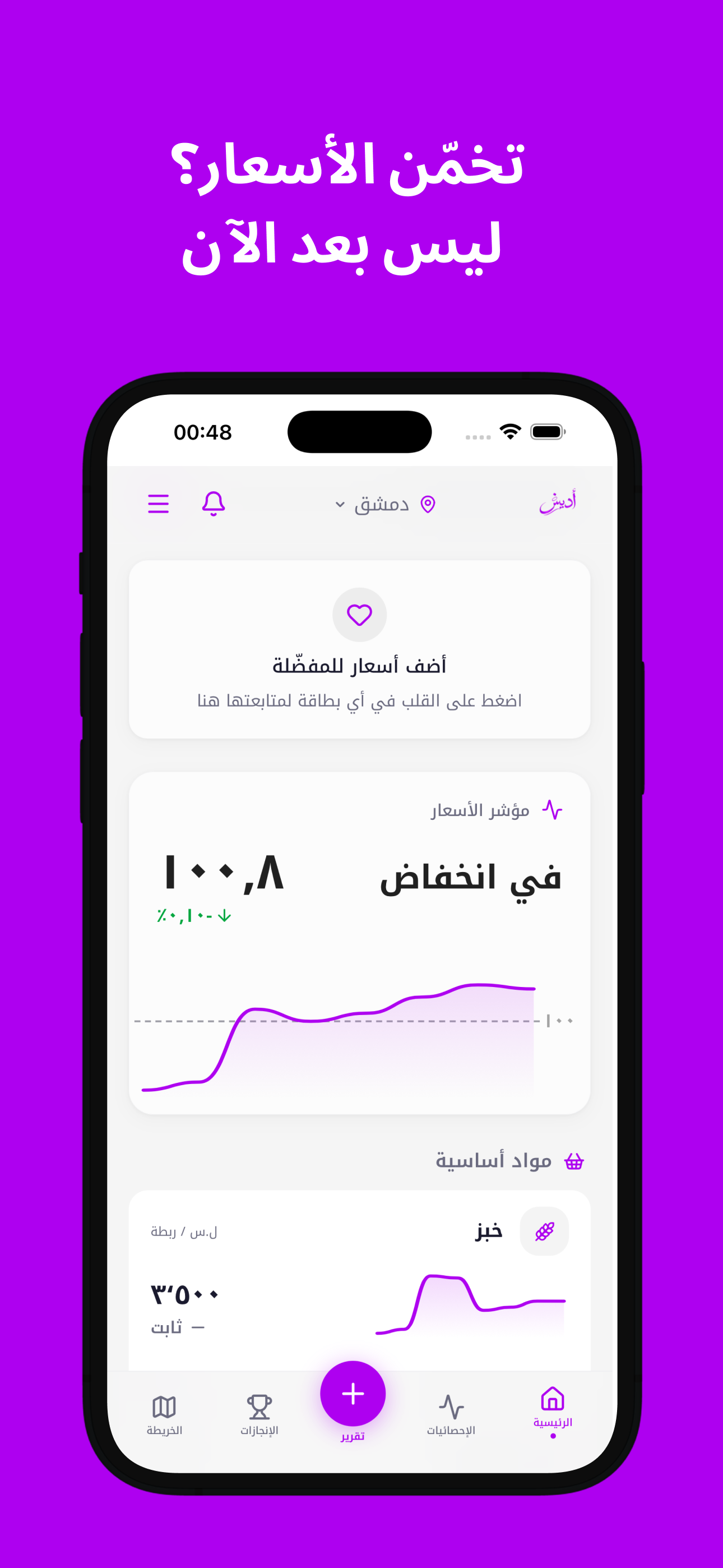
Home
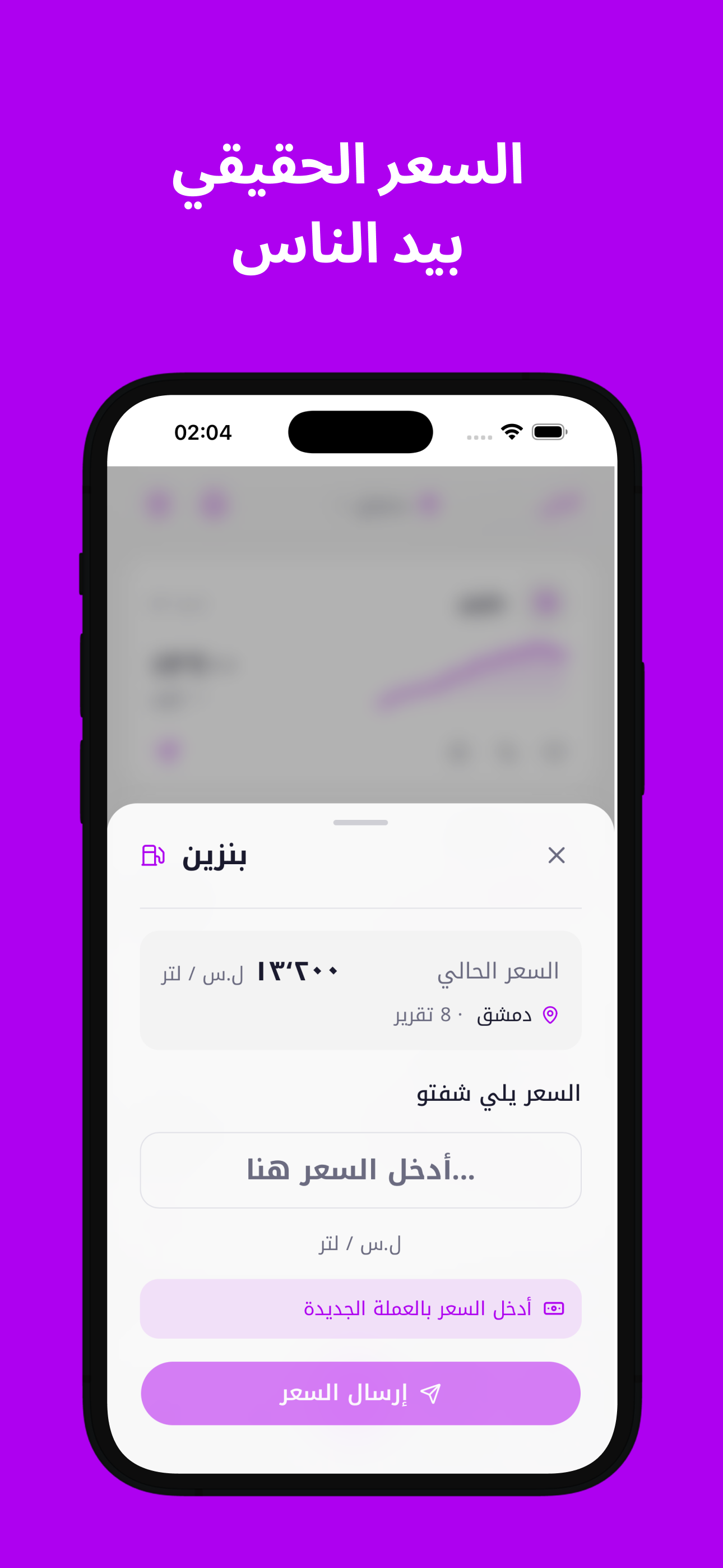
Price Input
Key Takeaways for Digital Products
This project highlights a critical shift in how modern platforms should be built:
- •Design for real conditions, not ideal ones
- •Offline capability is a competitive advantage
- •Localization must go beyond translation
- •Performance directly impacts adoption
Companies that ignore these factors risk building systems that look good—but fail in practice.
How We Can Help
At AdviseteQ, we design and build platforms that perform under real-world constraints—not just in controlled environments.
Whether you're developing a reporting platform, a data-driven application, or a scalable digital product—we help you create systems that are fast, resilient, and actually used.
If you're facing similar challenges, let's talk.